- Need any help? Call Us: (210) 123-451
- 380 St Kilda Road, Australia
- Sat - Thursday (9am - 10 pm)


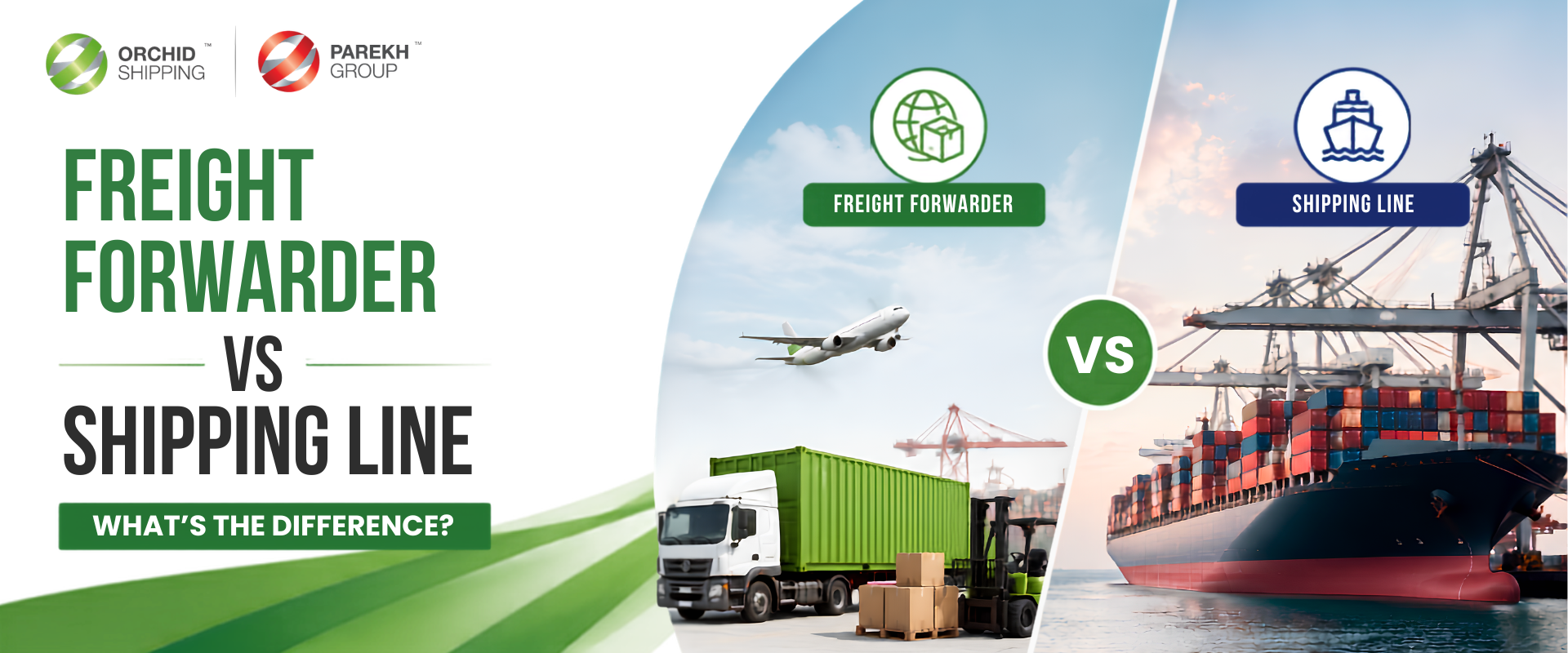
Freight Forwarder vs Shipping Line: What’s the Difference?
When businesses begin shipping cargo internationally, two terms often appear repeatedly: freight forwarder and shipping line.
Many people assume they perform the same function because both are involved in moving cargo across borders. However, their roles within the global supply chain are very different.
Understanding the difference is essential for importers, exporters, and businesses looking to optimize their logistics operations.
So, what exactly separates a freight forwarder from a shipping line?
Let’s break it down.
Understanding the Basics
Imagine you need to transport a container of goods from Mumbai to Rotterdam.
The cargo must be booked, documented, cleared through customs, loaded onto a vessel, tracked during transit, and delivered to its final destination.
Several parties are involved in making that happen.
Among the most important are the freight forwarder and the shipping line.
While they work closely together, they serve completely different functions within the transportation process.
What Is a Freight Forwarder?
A freight forwarder is a logistics specialist that organizes and manages the movement of cargo from origin to destination. Rather than operating ships, freight forwarders coordinate the entire shipping process on behalf of their customers. Their responsibilities typically include:
– Cargo booking
– Route planning
– Freight rate negotiations
– Documentation management
– Customs clearance coordination
– Warehousing solutions
– Cargo insurance assistance
– Shipment tracking
– Multimodal transportation management
Think of a freight forwarder as the project manager of your shipment. They bring together multiple service providers and ensure every stage of the logistics process runs smoothly.
What Is a Shipping Line?
A shipping line is the company that physically transports cargo across oceans using container vessels. These companies own, lease, or operate ships that move containers between ports worldwide. Their primary responsibilities include:
– Operating container vessels
– Managing shipping schedules
– Transporting cargo between ports
– Issuing Bills of Lading
– Handling container equipment
– Maintaining vessel operations
Simply put, shipping lines provide the actual ocean transportation service. Without shipping lines, cargo would have no vessel on which to travel.
The Key Difference
The easiest way to understand the distinction is this: A freight forwarder manages the shipment. A shipping line moves the shipment.
The freight forwarder plans and coordinates the logistics journey. The shipping line provides the vessel carrying cargo across the ocean. One oversees the process. The other performs transportation.
How They Work Together
In most international shipments, freight forwarders and shipping lines work hand in hand.
For example: A manufacturer in India needs to export goods to Germany.
The freight forwarder:
- – Plans the shipment
- – Selects the best route
- – Books space with a shipping line
- – Arranges documentation
- – Coordinates customs procedures
- – Tracks cargo movement
The shipping line:
- – Provides container equipment
- – Loads cargo onto the vessel
- – Transports goods to the destination port
- – Issues transport documentation
- – Handles ocean transit operations
Together, they ensure cargo reaches its destination efficiently.
Which Option Is Right for Your Business?
The answer depends on your shipping requirements.
If you only need ocean transportation and have the expertise to manage logistics internally, working directly with a shipping line may be an option.
If you require comprehensive logistics support, customs assistance, documentation management, warehousing, or multimodal transportation solutions, a freight forwarder typically offers greater value.
For many businesses, freight forwarders simplify international trade by managing complexity while ensuring cargo moves efficiently from origin to destination.
Conclusion
Freight forwarders and shipping lines are both essential components of global trade, but their roles are fundamentally different.
Shipping lines operate the vessels that transport cargo across oceans, while freight forwarders coordinate the entire logistics journey behind the scenes.
Understanding the distinction helps businesses make informed logistics decisions, improve supply chain efficiency, and navigate international shipping with greater confidence.
At Orchid Shipping Pvt. Ltd., we work closely with leading global shipping lines to provide reliable freight forwarding solutions tailored to our customers’ international logistics requirements. By combining industry expertise, strategic carrier partnerships, and end-to-end supply chain support, we help businesses move cargo efficiently across global markets.
Frequently Asked Questions (FAQs)
No. A freight forwarder manages and coordinates shipments, while a shipping line owns or operates vessels that physically transport cargo across the ocean.
Yes. Businesses can book directly with shipping lines, although many choose freight forwarders for additional logistics support and expertise.
Freight forwarders typically coordinate customs clearance and documentation requirements for import and export shipments.
Most freight forwarders do not own ships. They arrange transportation through partnerships with shipping lines and other carriers.
Companies use freight forwarders to simplify logistics, manage documentation, coordinate transportation, ensure compliance, and gain access to comprehensive supply chain solutions.
Freight forwarders provide cargo booking, customs support, warehousing, freight consolidation, shipment tracking, transportation planning, documentation management, and multimodal logistics services.