- Need any help? Call Us: (210) 123-451
- 380 St Kilda Road, Australia
- Sat - Thursday (9am - 10 pm)


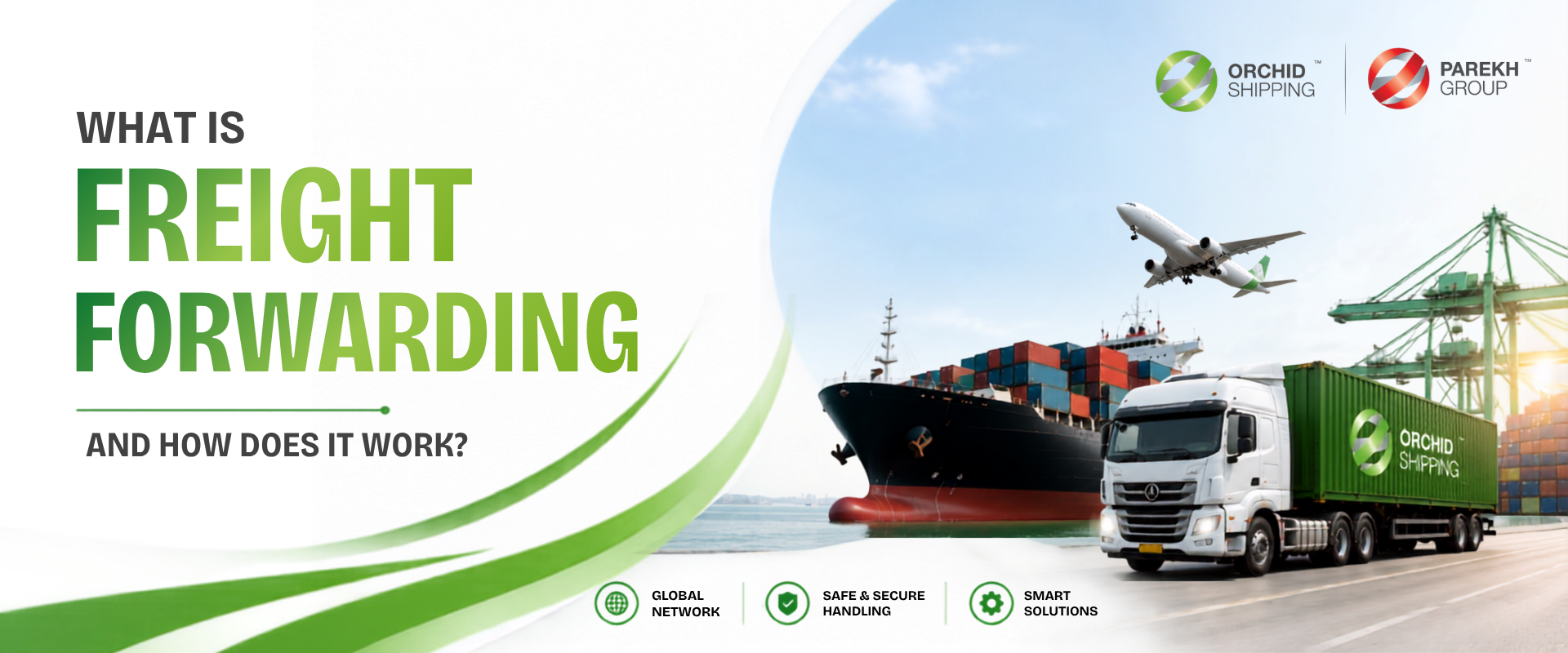
What Is Freight Forwarding and How Does It Work?
Every day, millions of products travels across oceans, borders, and continents before reaching businesses and consumers.
A smartphone manufactured in Asia arrives on store shelves in Europe. Industrial machinery moves from Germany to India. Fresh produce crosses international borders within days.
Behind these global movements is a critical logistics service that most people never see: freight forwarding.
While carriers move the cargo, freight forwarders coordinate the entire journey. They act as the link between shippers, transport providers, customs authorities, and supply chain partners, ensuring goods move efficiently from origin to destination.
In today’s fast-moving global economy, freight forwarding plays a vital role in keeping international trade connected.
What Is Freight Forwarding?
Freight forwarding is the process of organizing and managing the transportation of goods from one location to another through various modes of transport, including sea freight, air freight, road transport, and rail freight.
A freight forwarder does not typically own the ships, aircraft, or trucks transporting the cargo. Instead, they serve as logistics specialists who plan, coordinate, and oversee every stage of the shipment.
Their role includes:
- Transportation planning
- Cargo booking
- Customs clearance coordination
- Documentation management
- Cargo tracking
- Warehousing arrangements
- Insurance assistance
- Delivery management
In simple terms, a freight forwarder ensures that cargo reaches its destination safely, compliantly, and on schedule.
How Does Freight Forwarding Work?
The freight forwarding process involves several interconnected stages.
1. Shipment Planning
The process begins when a shipper needs to transport goods domestically or internationally. The freight forwarder evaluates:
- – Cargo type
- – Weight and dimensions
- – Destination country
- – Delivery timeline
- – Budget requirements
- – Regulatory considerations
2. Cargo Collection and Consolidation
Once the shipment is ready, cargo is collected from the supplier or manufacturer. For smaller shipments, freight forwarders often use cargo consolidation, combining multiple consignments into a single container. This helps businesses reduce transportation costs while maximizing container utilization.
3. Documentation Preparation
International shipping requires extensive documentation. Common freight forwarding documents include:
- – Commercial Invoice
- – Packing List
- – Bill of Lading (B/L)
- – Air Waybill (AWB)
- – Certificate of Origin
- – Shipping Instructions
- – Customs Documentation
- – Insurance Certificates
4. Customs Clearance
One of the most important responsibilities in freight forwarding is customs coordination. Before cargo can enter or leave a country, customs authorities must review the shipment and ensure compliance with local regulations.
Freight forwarders assist with:
- – Customs declarations
- – Duty and tax calculations
- – Regulatory compliance
- – Trade documentation verification
- – Import and export procedures
5. Transportation Management
After customs clearance, the cargo moves through the selected transportation network. This may involve:
- – Ocean Freight
- – Air Freight
- – Truck Transportation
- – Rail Freight
- – Multimodal Transport Solutions
Throughout transit, freight forwarders monitor shipment progress and provide visibility updates to customers.
6. Final Delivery
The final stage is delivery to the consignee or end customer. This may include:
- – Inland transportation
- – Port-to-door delivery
- – Warehouse distribution
- – Last-mile logistics support
The shipment is considered complete once the cargo reaches its final destination.
Types of Freight Forwarding Services
Depending on cargo requirements, businesses can choose from various freight forwarding solutions.
- Ocean Freight Forwarding
Ideal for large-volume shipments and international trade. Benefits include:
- – Cost-effective transportation
- – High cargo capacity
- – Global shipping network access
- Air Freight Forwarding
Best suited for urgent, high-value, or time-sensitive cargo. Benefits include:
- – Faster transit times
- – Enhanced security
- – Reliable scheduling
- Road Freight Forwarding
Used for domestic transportation and regional cross-border deliveries. Benefits include:
- – Flexible routing
- – Door-to-door service
- – Cost-effective regional distribution
- Multimodal Freight Forwarding
Combines multiple transportation modes to improve efficiency and optimize delivery timelines.
Conclusion
Freight forwarding is far more than arranging transportation. It is the coordination of people, processes, documentation, compliance, and logistics networks that keep global trade moving efficiently.
From shipment planning and customs clearance to transportation management and final delivery, freight forwarders play an essential role in ensuring cargo reaches its destination safely and on time.
At Orchid Shipping Pvt. Ltd., we understand the complexities of international logistics and provide tailored freight forwarding solutions designed to help businesses move cargo efficiently across global markets. Through our expertise, industry network, and customer-focused approach, we remain committed to delivering reliable logistics solutions that support seamless international trade.
Frequently Asked Questions (FAQs)
Freight forwarding is the process of organizing and coordinating the transportation of goods from one location to another through sea, air, road, or rail transport while managing documentation, customs clearance, and shipment tracking.
A freight forwarder arranges transportation, prepares shipping documents, coordinates customs clearance, manages cargo movement, and ensures goods are delivered efficiently from origin to destination.
A carrier physically transports the cargo using ships, aircraft, trucks, or trains. A freight forwarder coordinates and manages the shipment but typically does not own the transportation assets.
Freight forwarding simplifies global shipping by handling logistics planning, customs procedures, compliance requirements, documentation, and transportation management.
he primary types include ocean freight forwarding, air freight forwarding, road freight forwarding, rail freight forwarding, and multimodal transportation services.